

Search Content
Detail: Cormorant

Detail of the cormorant from the top of the pole. Originally, the pole featured three watchmen that have been removed.
Kaisun Frontal Pole

This frontal pole features three watchmen, then a cormorant, and then a supernatural snag shown in two manifestations: the upper – bear-like form holding a human figure in each arm; the lower – human-like form with a stick rising from the top of its head. At the base is a sea-grizzly with a whale's tail in its mouth
Starfish Memorial

This memorial pole featured a starfish crest at the top of the pole, in which a human face is surmounted by a four-pointed hat. Seven cylinders separate the top figure from that of the chief at the base. The chief is holding a large copper shield.
Kayang Panorama

Looking north along the house row at Kayang village.
Goose House Frontal Pole

The Goose House and its frontal pole are in the foreground. Note that the frontal pole was not actually attached to the house frame, which was very unusual.

People at Gingolx

People gathered outside of a house at Gingolx.
Chief in Regalia

Gingolx chief wearing regalia, ca. 1900.
Village at the Mouth of the Nass River

A view of the church and houses at Gingolx.

Discarded Items from the Past
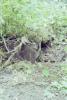
A photo taken during the survey and excavation of various village sites in the Kitselas Canyon. The collection consists of photos taken by Morris Mason, Dave Walker and Gary Coupland during archaeological surveys and digs in the early 1980s.
Rock Art
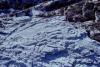
Petroglyphs at the Kitselas Canyon.These photos were taken by Morris Mason, Dave Walker and Gary Coupland during archaeological surveys and digs in the early 1980s
Rock art on Dry Island
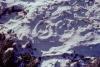
One of three faces of Dry Island. Many petroglyphs exist in the Kitselas Canyon area but they are difficult to date due to a lack of organic material. They were likely created for shamanic purposes. These Kitselas Canyon photos were taken by Morris Mason, Dave Walker and Gary Coupland during archaeological surveys and digs in the early 1980s
Face carved in the Stone

One of the three faces of Dry Island. From this perspective the face appears human. From the other side it appears animal. These photos were taken by Morris Mason, Dave Walker and Gary Coupland during archaeological surveys and digs in the early 1980s
Rock Art
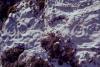
Faces carved in stone on Dry Island. These photos were taken by Morris Mason, Dave Walker and Gary Coupland during archaeological surveys and digs in the early 1980s